- Winter 2026/27
Master - 264.237
- Visuelle Kultur
Modul - Univ.Lekt. Benjamin Gerdes, MA
ARChitekturen des Alltags
DREDGING UP VIENNA’S BURIED INFRASTRUCTURES: DATAFIED INTERACTIONS ACROSS THE LOBAU, THE DANUBE, AND THE S1
Beneath the Lobau we can trace four “organs” that frustrate easy visualisation and may therefore remain buried in public minds. A contested motorway tunnel, sixty metres underground, includes ventilation modulated by air sensors along its projected eight kilometer length. An aquifer holding some five billion cubic metres of drinking water is similarly monitored by piezometers. Austria’s largest petroleum contamination was released by wartime bombardment and is “secured” rather than remediated. It has been held since 2009 by a three-kilometre sealing wall that the tunnel would cut. The soil contamination is not monitored but “inferred.” Finally, a floodplain is drying as the Danube’s bed is continuously dredged to keep it navigable, monitored by bathymetric survey and tagged stones. Because of constant shipping in this region, the Danube cannot be “listened to” as it is elsewhere via geophones. Above ground, the same corridor aligns Vienna’s data centres, container terminals and Amazon’s sorting facilities along a single motorway ring. Austria has no fulfilment centre. Rather, the labour that feeds these systems is performed across the border, and the city retains only sorting and subcontracted delivery.
This workshop focuses on methods for navigating between the under-acknowledged connections between these layers and adjacencies: land and water, surface and depth, digital and mineral, labor and leisure, city and sludge, here and elsewhere, intelligence and sediment. Fieldwork will attempt to engage the numerous relevant sites, while also engaging the active construction zone and an unresolved court case and related public debate. Reading the official cartographies against a collective process of counter-mapping students will attempt to elaborate upon these entangled relations, adding to public documents with experimental cartographies: sound/image relations, drawings, poetic impressions, sections, fragments and models. Can a subjective counter-atlas suggest new ways of relating to or coinhabiting alongside these infrastructural entanglements?
Architekturen des Alltags
Univ.Lekt. Benjamin Gerdes, MA
Beginn: Dienstag, 20. Oktober 2026
Ort: Seminarraum AC0440
Weitere Details in TISS
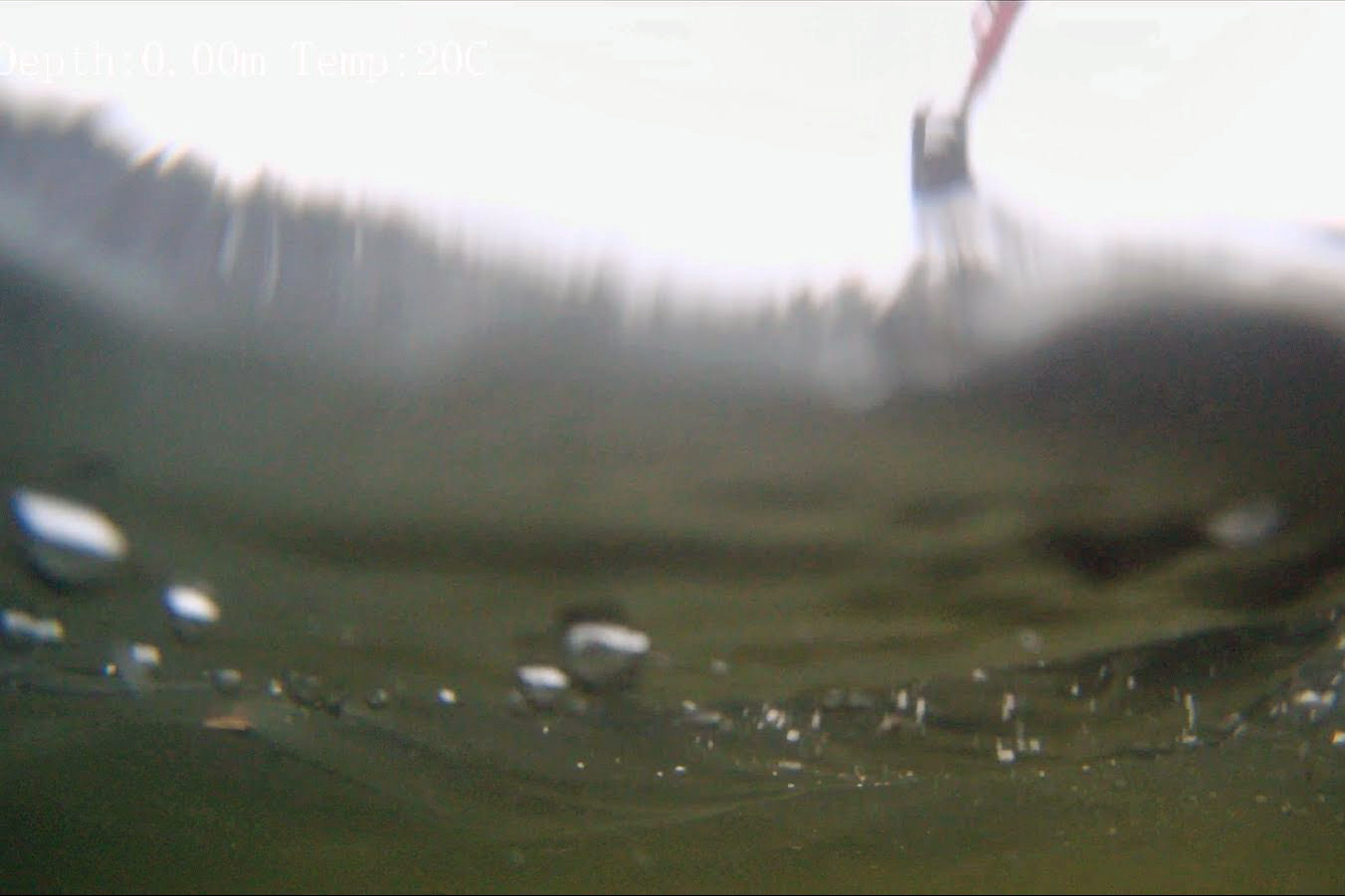
Still from Art of the Dredge (14-minute video, 2026), by Benjamin Gerdes, Felicia Fahlin, and Henrik Ernstson.